
Most people don’t need more motivation. They need a more honest definition of success.
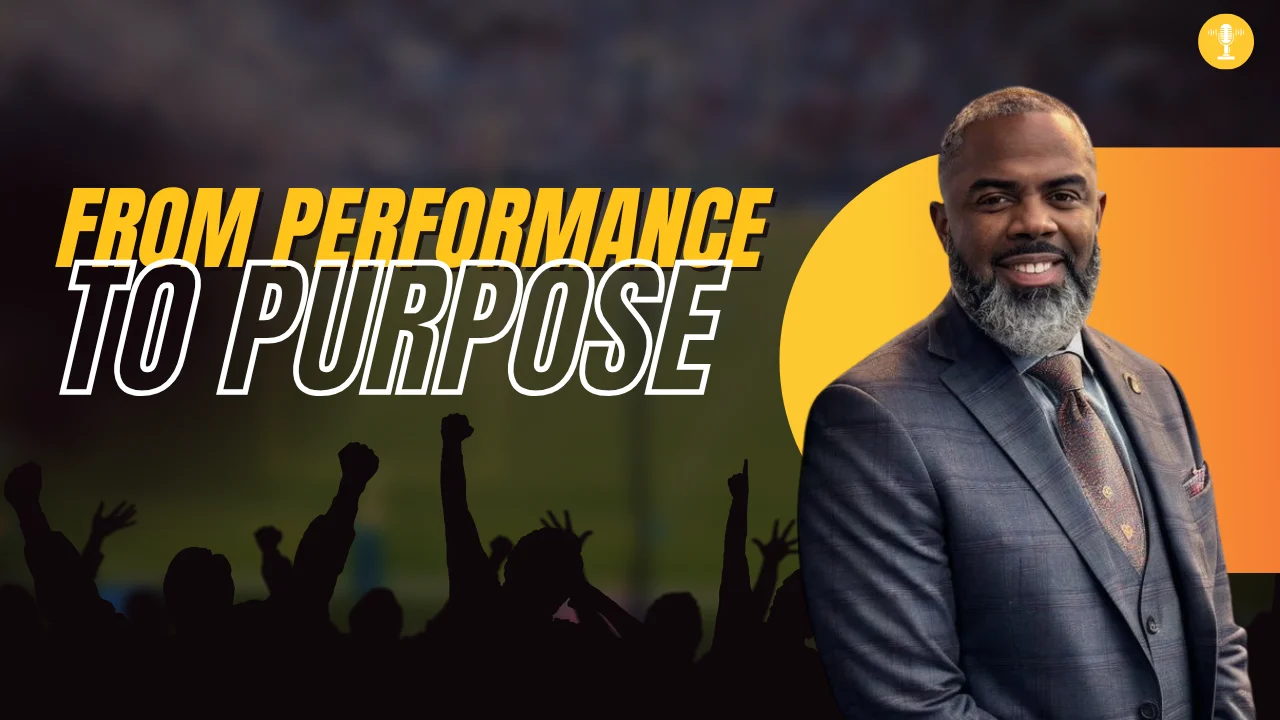
In this episode of The Tessa Tubbs Podcast, I sat down with Ali Hemyari: entrepreneur, author, TEDx speaker, and leader whose life spans extreme discipline, risk, responsibility, and performance across multiple domains. What I appreciated about this conversation is that it doesn’t romanticize quick wins. It tells the truth about what it costs to build something meaningful, and what it requires to keep your integrity intact while you do it.
If you’re refining what success means, resisting shortcuts, and trying to build a life that actually holds up over time, this conversation will meet you where you are.
Who is Ali Hemyari?
Ali has built and operates multiple companies across hundreds of employees, and his newest book The Success Code explores what it takes to build wealth while leaving a meaningful legacy. He’s also a family man, man of faith, and philanthropist, which shows up throughout his perspective on discipline, giving back, and the responsibility that comes with success.
1) Hard work beats talent when talent isn’t working hard
Ali shared a moment from his mid-30s that clarified success for him: talent is common, but sustained work ethic is rare.
This matters because a lot of people quietly wait to be “discovered.” They assume one big break will replace the slow work of becoming exceptional. But excellence is usually built in repetition, not in highlights.
Self-leadership prompt:
Where are you hoping talent will carry what discipline is supposed to build?
2) Relationships often matter more than resumes
Ali didn’t mince words: this world is built on relationships more than anything else. Not “knowing people,” not collecting contacts, but real relationships that create trust and momentum.
And if you’re an introvert, he offered a challenge that is both uncomfortable and practical: learn to be more extroverted if you want to scale in business.
Self-leadership prompt:
Are you building real relationships, or just staying “safe” in your comfort zone?
3) Beat to your own drum (raise your signal-to-noise ratio)
One of the most memorable parts of the conversation was Ali’s focus on competing with himself rather than comparing himself to others.
He described it as a high signal-to-noise ratio: tuning out opinions, competitors, adversity, and commentary, and locking in on the signal of what you’re building.
This is increasingly important in a world that monetizes distraction and rewards performative success.
Self-leadership prompt:
What “noise” are you letting into your decision-making that doesn’t belong there?
4) Find mentors who stretch your ceiling
Ali’s advice here is simple and disruptive: find five people who are more successful than you and spend time with them.
Sometimes growth requires a new circle because the current one can’t hold your ambition. That isn’t arrogance. It’s stewardship.
Self-leadership prompt:
Who is currently shaping your standards and expectations, intentionally or not?
5) Invest in your mind and vocation
Ali talked about investing in his craft through conferences, training, travel, and specialized courses, and how that kind of self-investment compounds over time.
He said something I loved because it removes the “waiting to be chosen” mentality: betting on yourself goes further than hoping someone notices you and pulls you up.
If speaking isn’t your strength? Join Toastmasters. If you need credibility? Build it. If you need skill? Go earn it.
Self-leadership prompt:
What skill are you currently under-investing in because you’re waiting for permission?
6) Stop trading short-term gain for long-term pain
Ali gave a real-time cultural critique: we’re being conditioned toward instant gratification, and that conditioning shapes our expectations for success.
His alternative is a phrase worth repeating: choose short-term pain for long-term gain.
Success requires a willingness to do what’s inconvenient now so you can build what’s sustainable later: skill, trust, relationships, mastery, reputation.
Self-leadership prompt:
What short-term discomfort are you avoiding that future-you will have to pay for?
7) “Whatever it takes” needs a boundary: integrity (and family)
This was one of the most important distinctions in the episode. Ali talked about high achievers who operate with a “whatever it takes” mindset, but he was clear about the boundary: ethics and integrity.
He also brought nuance around life seasons. When you’re single, risk tolerance looks different. When you have dependents, chasing money at the expense of family can harm everyone.
He shared examples of waking up extremely early, sacrificing sleep (not family time), and building rhythms that protect what matters most.
Self-leadership prompt:
What are you building, and what is it costing the people closest to you?
A simple takeaway I’m carrying
Success isn’t just what you achieve. It’s what you’re willing to become while you achieve it.
And the deeper question is the one I asked Ali near the end: once you reach a certain level of success, what does it require of you now that it didn’t earlier?
That’s the question that keeps success honest.
Listen to the full episode
If you want the full conversation, you can listen to the episode here: https://tessatubbs.com/podcast-episode/the-success-code-discipline-relationships-and-integrity-with-ali-hemyari/
FAQs
Q: What is “The Success Code”?
A: A framework for building durable success through discipline, relationships, self-investment, long-term thinking, and integrity.
Q: What’s the biggest mistake high achievers make?
A: Trading short-term comfort for long-term consequences: avoiding the hard work of skill-building, relationships, and discipline.
Q: How do you balance ambition and family?
A: Adjust risk tolerance by season, protect time with dependents, and keep integrity as the non-negotiable boundary.